
- How is luxury vinyl plank constructed for wet bathroom environments?
- What are the main benefits of LVP flooring in bathroom remodels?
- What hidden risks should you know before installing LVP in a bathroom?
- How should LVP be professionally installed in a bathroom?
- How does LVP compare to tile and what maintenance does it require?
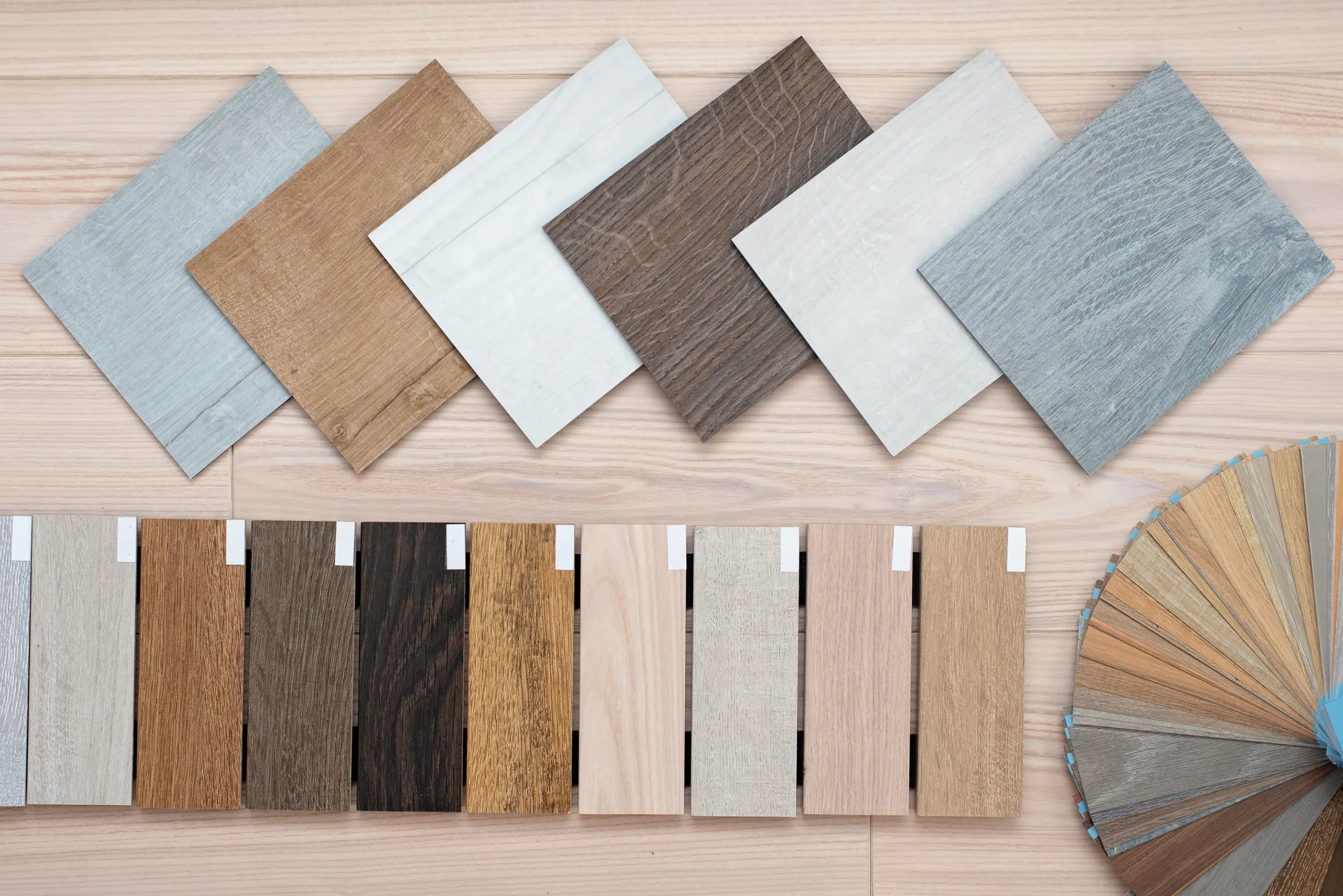
When remodeling a bathroom, the flooring choice carries a massive amount of weight. You are not just looking for something beautiful to complete your interior design vision. You need a highly engineered surface that can survive daily humidity, frequent puddles, extreme temperature fluctuations, and heavy dropped items like hair styling tools or glass bottles. For decades, porcelain and ceramic tiles were the undisputed kings of the wet room. Today, the landscape has completely shifted.
Luxury Vinyl Plank has rapidly taken over the residential market, becoming the dominant material in modern home renovations. However, a critical and frequently debated question remains for homeowners and designers alike. Is lvp flooring actually good for bathrooms?
The short answer is absolutely yes. The long answer requires a rigorous deep dive into product specifications, core materials, chemical compositions, and strict installation protocols. A waterproof plank does not automatically equal a waterproof floor system. If you fail to understand the mechanics of how vinyl interacts with moisture and temperature, your brand new bathroom floor could fail within months, voiding your warranty and causing thousands of dollars in structural damage. Here is the ultimate industry breakdown of how Luxury Vinyl Plank performs in bathrooms, what hidden risks you need to mitigate, and how to ensure your investment lasts for decades.
The Core Anatomy of Luxury Vinyl in Wet Environments
To truly understand why luxury vinyl thrives in high-moisture environments, you have to look meticulously at how it is constructed from the ground up. Unlike laminate flooring, which historically relied on a moisture-sensitive high-density fiberboard core that acts like a sponge, modern luxury vinyl is built entirely from synthetic materials and natural minerals that do not swell, warp, or delaminate when exposed to water.
A standard high-quality board consists of several highly engineered distinct layers.
The invisible shield on top is known as the wear layer. Measured in mils (a unit representing thousandths of an inch), this clear urethane coating protects the floor from scratches, scuffs, and chemical stains. For a bathroom setting, a minimum of a twelve-mil wear layer is heavily recommended, though twenty-mil commercial-grade options offer superior longevity and peace of mind. Many premium manufacturers now enhance this urethane layer with microscopic ceramic beads or aluminum oxide particles, increasing the scratch resistance exponentially without compromising the clarity of the design below.
Directly beneath the wear layer sits the print film. This is the high-resolution photographic layer that gives the plank its hyper-realistic wood, concrete, or natural stone appearance. Advanced manufacturing processes now utilize Embossed In Register technology. This means the physical texture pressed into the wear layer perfectly matches the visual grain pattern of the photographic print film. When you run your hand over a knot in the wood grain, you feel a physical depression. This eliminates the cheap, plastic look of older vinyl products.
The structural foundation of the plank is the core layer, and this is the most critical component for bathroom performance. You will generally choose between Stone Plastic Composite and Wood Plastic Composite. Stone Plastic Composite cores are incredibly dense, heavily fortified with natural limestone powder, and offer magnificent dent resistance against heavy impacts. Wood Plastic Composite cores contain foaming agents combined with wood flour and resins, making them slightly softer underfoot and warmer, but slightly more prone to indentations under heavy, concentrated loads. Crucially, both core variations are entirely waterproof.
Finally, most premium planks come equipped with an attached underlayment pad. This bottom layer provides crucial acoustic insulation and walking comfort over hard subfloors. In a wet environment like a bathroom, a closed-cell IXPE foam pad is vastly superior to a cork pad. Cork is an organic material that can absorb rogue moisture and harbor mold spores over time, whereas closed-cell IXPE foam repels water entirely and remains completely inert.
Because the entire plank is composed of stable plastics, vinyl resins, and minerals, dropping a plank into a bathtub full of water for a week would not alter its dimensions by a single millimeter. This structural immunity to moisture absorption is exactly what makes it a top-tier candidate for modern bathrooms.
The Unmatched Benefits of LVP in Bathroom Remodels
Beyond the baseline requirement of being waterproof, luxury vinyl offers several unique and highly desirable advantages over traditional bathroom flooring options. These benefits impact everything from daily comfort to the overall cost of your renovation project.
Anyone who has stepped out of a hot shower onto a freezing ceramic tile floor in the middle of winter knows the unpleasant shock it delivers. Ceramic and porcelain tile conduct heat away from your skin rapidly. Luxury vinyl has a naturally warmer ambient temperature. The combination of the synthetic core composition and the attached acoustic foam pad creates an effective thermal break between your bare feet and the cold concrete or wooden subfloor below. Furthermore, most premium vinyl plank lines are fully compatible with embedded radiant floor heating systems. As long as the heating system is embedded in the subfloor and the surface temperature does not exceed the manufacturer limit (typically eighty-five degrees Fahrenheit), you can enjoy a spa-like heated floor experience without risking damage to the planks.
Bathrooms are notorious slip-and-fall hazard zones. High-gloss glazed tiles can become incredibly dangerous when wet. Modern vinyl flooring is manufactured with distinct surface texturing explicitly designed to increase friction. Whether the design mimics wire-brushed oak, hand-scraped hickory, or cleft natural slate, this micro-texture provides excellent grip. The dynamic coefficient of friction on textured vinyl frequently exceeds safety standards, offering superior traction even when bare feet are wet.
Traditional tile installation requires messy mortar, heavy cement backer boards, tedious spacers, wet saws, buckets of grout, and specialized chemical sealers. It is a highly disruptive, multi-day process that requires extensive drying and curing times. Vinyl plank is a floating floor system utilizing a precision-milled click-lock mechanism. A skilled professional can properly prep the subfloor and install a standard master bathroom floor in a single day. This drastically reduces expensive labor costs, allowing homeowners to allocate more of their remodeling budget to high-end plumbing fixtures, custom lighting, or luxury vanities.
The aesthetic versatility of this material is simply staggering. The visual gap between real organic wood and engineered vinyl has virtually closed. You can seamlessly run the warm, elegant look of wide-plank European White Oak straight from your master bedroom directly into your master bathroom. Attempting this with real hardwood would result in warped, buckled, and rotting boards within a single year. If you prefer an industrial or classic stone aesthetic, luxury vinyl tile offers the exact look of Carrara marble, rough travertine, or polished concrete without the immense weight, subfloor reinforcement requirements, or endless grout maintenance.
Hidden Vulnerabilities and Environmental Risks
While the manufactured planks themselves are inherently waterproof, the surrounding installation environment is definitively not. This represents the single biggest misconception in the residential flooring industry. Consumers hear the word “waterproof” and falsely assume the finished floor is a hermetically sealed, impenetrable barrier. It is not, and treating it as such will lead to catastrophic failures.
Because it is a floating floor, it rests freely on top of your structural subfloor. The locking seams where the individual planks click together are highly water-resistant, but they are not entirely watertight under sustained standing water. If a supply pipe bursts behind the wall or a toilet overflows while you are away from home, water can easily seep down through the microscopic bevels between the boards and become deeply trapped between the vinyl and the subfloor. Because the top surface is waterproof, it blocks that trapped subfloor moisture from naturally evaporating into the air. In a dark, warm bathroom environment, this trapped moisture will rapidly cultivate toxic black mold, mildew, and eventually rot a wooden subfloor completely from the top down.
All floating floors expand and contract slightly with seasonal temperature variations and humidity shifts. They must be allowed to move freely as a single monolithic unit. A remarkably common and devastating mistake in bathroom renovations is installing the floor first, and then aggressively bolting a heavy double vanity, a solid cast-iron clawfoot tub, or a toilet directly through the planks and into the subfloor. This permanently pins the floor down in specific locations. When the ambient room temperature changes, the floor attempts to expand, hits the pinned area, builds up intense lateral pressure, and immediately buckles upward or violently snaps the fragile locking mechanisms.
Another hidden danger lies in cheap, rubber-backed bath mats. Many consumers are unaware that certain types of synthetic rubber react chemically with the polyurethane wear layer of vinyl flooring. This chemical reaction, known in the industry as plasticizer migration, will cause permanent, irreversible yellowing or dark discoloration on the surface of the floor. This damage cannot be cleaned or sanded away. You must always use colorfast, non-staining, or natural woven cotton bath mats that allow the floor underneath to breathe freely.
Professional Installation Protocols for Bathroom LVP
To guarantee your new flooring survives the harsh, unforgiving conditions of a full bathroom, highly specific installation protocols must be rigorously followed. This is precisely where hiring a dedicated professional pays massive dividends. If you are actively searching for vinyl floor installers near me, you must interview them extensively about their wet-room procedures to ensure they follow these strict industry standards rather than cutting corners.
When installing a floating floor, a one-quarter-inch expansion gap must be left around the entire perimeter of the room, including around pipes and doorways. In a standard living room, you simply cover this necessary gap with baseboards or quarter round. In a bathroom, however, this open gap is a prime entry point for splashed water from the bathtub or shower enclosure. A true professional installer will fill this entire expansion gap with one hundred percent flexible silicone caulk before installing the decorative baseboards. The silicone remains highly flexible for years, allowing the floor to expand and contract naturally, while simultaneously creating a completely watertight protective gasket around the extreme edges of the room.
The toilet represents the most vulnerable potential leak point in any bathroom. You should absolutely never install new flooring directly around an existing, seated toilet. The toilet must be completely pulled and removed from the room. The new planks are then precisely cut to fit around the exposed plumbing flange, meticulously leaving the required expansion space. Crucially, the toilet is then carefully re-seated on top of the new flooring using a high-quality, extra-thick wax ring or a specialized synthetic rubber gasket ring. The metal flange bolts secure the toilet safely to the plumbing flange, not the floor itself, allowing the planks underneath to float and shift freely without binding.
Vinyl plank requires a remarkably flat and structurally sound subfloor. The standard industry tolerance requires the subfloor to be flat within three-sixteenths of an inch over a ten-foot radius. If your bathroom subfloor is wavy, dipping, or uneven, the rigid locking mechanisms of the planks will constantly flex under your body weight as you walk across the room. Over time, these delicate joints will inevitably weaken, crack, and separate. In a wet bathroom, a broken joint means a direct, unhindered pathway for surface water to reach the vulnerable subfloor below. High-quality contractors will always use Portland cement-based self-leveling compounds to perfectly correct any dips or valleys in the subfloor before a single plank is ever laid down.
Local climate expertise matters immensely. Whether you live in a highly humid coastal region or an area with harsh, dry winters, environmental factors dictate installation success. For example, a reputable and experienced flooring contractor in St. Charles will intimately understand how local seasonal humidity shifts affect wooden subfloors in older homes. They will properly acclimate the unopened boxes of flooring inside your home for a minimum of forty-eight hours prior to installation, allowing the core materials to adjust to the specific temperature of the environment, a vital step that impatient weekend warriors and cheap contractors constantly skip.
LVP vs. Tile vs. Alternatives and Final Maintenance Protocol
To make an informed final decision for your specific home, it is immensely helpful to compare luxury vinyl directly against the traditional champions and alternative options found in bathroom design.
Porcelain and ceramic tile both possess incredible waterproof properties. The tile itself is entirely impervious to water, but the required grout lines are highly porous. Grout must be chemically sealed on a regular basis to prevent gross water intrusion, staining from cosmetics, and persistent mold growth. Vinyl plank requires absolutely zero chemical sealants, waxes, or protective topcoats over its entire lifespan.
When evaluating daily maintenance, luxury vinyl wins easily. Thick grout lines in traditional tile installations are notorious for trapping dirt, grime, dead skin cells, and mildew. Scrubbing dirty grout with a stiff brush is a miserable, labor-intensive chore. Vinyl offers a tight, seamless surface that wipes clean effortlessly with minimal exertion. Furthermore, tile is an incredibly hard but fundamentally brittle material. If you drop a heavy glass perfume bottle on ceramic tile, it will shatter the glass and likely crack or chip the tile itself, requiring a complex and messy repair. If you drop that same heavy bottle on Stone Plastic Composite vinyl, the floor will safely bounce the item or, at worst, suffer a minor, nearly invisible surface dent.
It is important to acknowledge that real stone and custom tile work still hold the edge for high-end luxury real estate markets. A massive custom-tiled walk-in shower and matching wet room floor is universally viewed as a premium architectural upgrade. Luxury vinyl is highly valued for its extreme practicality and it looks fantastic, but it typically will not command the exact same resale premium as a custom marble installation in a multi-million dollar home. However, tastes change rapidly. In fifteen years, you may desperately want a completely new look. Ripping out ceramic tile requires heavy sledgehammers, loud chipping hammers, fine dust mitigation, and a rented dumpster. Removing a floating vinyl floor takes approximately thirty minutes, a simple pry bar, and generates zero dust.
If you choose luxury vinyl, protecting your investment requires very little effort, provided you avoid a few common and destructive mistakes.
You must never use a high-temperature steam mop on these floors. This is a highly frequent and devastating error. The intense, concentrated heat of a steam mop can easily warp the synthetic planks, permanently compromise the integrity of the core, and actually melt the delicate adhesive bonds that hold the protective wear layer to the photographic print film. Furthermore, the high-pressure steam can easily force airborne moisture down through the locking joints and into the subfloor.
For routine daily maintenance, a simple dry microfiber dust mop will perfectly pick up loose hair, dust, and debris. For deeper weekly cleaning, use a high-quality, pH-neutral floor cleaner designed specifically for luxury vinyl. You must absolutely avoid abrasive scrubbing pads, harsh bleach, pure ammonia, or any heavily marketed “mop and shine” liquid products that promise a high-gloss finish. These specific products leave a thick, sticky acrylic residue that will only dull the factory finish over time, trapping dirt and creating a cloudy appearance that is nearly impossible to strip away safely.
If a major water spill occurs, simply wipe it up promptly with a dry towel. While the individual planks will not absorb the water, leaving massive puddles standing on the floor for days on end significantly increases the risk of moisture slowly migrating to the perimeter expansion gaps or finding a microscopic, compromised gap in a seam. In the event of a catastrophic flood, such as a burst pipe that floods the entire bathroom with inches of water, the modular nature of vinyl is a massive advantage. You can carefully un-click and remove the planks, completely dry out the subfloor, treat the area for mold prevention, and then easily re-install the exact same floor without having to purchase new materials.
Is lvp flooring good for bathrooms? It remains arguably the most practical, cost-effective, and visually stunning flooring available on the market today for residential wet rooms. It seamlessly provides the coveted, organic aesthetics of hardwood without the terrifying risk of moisture damage and rot. It consistently offers a softer, vastly warmer feel than traditional tile without the endless, exhausting maintenance of dirty grout lines. When thoughtfully combined with a high-quality commercial wear layer, a dense specialized core, and an attached acoustic foam pad, it can handle the intense daily abuse of a busy family bathroom with absolute ease.
However, the ultimate long-term success of the floor relies entirely on the precision of the execution. The product’s inherent waterproof nature does not excuse poor, lazy subfloor preparation or sloppy, unsealed edge perimeters. If you are heavily investing your time and money into a bathroom remodel, prioritize proper, by-the-book installation techniques above all else. Source a top-tier product, rigorously maintain your required expansion gaps, seal the outer perimeters with high-grade flexible silicone, avoid rubber-backed mats, and your new luxury vinyl bathroom floor will deliver flawless, beautiful performance for decades to come.